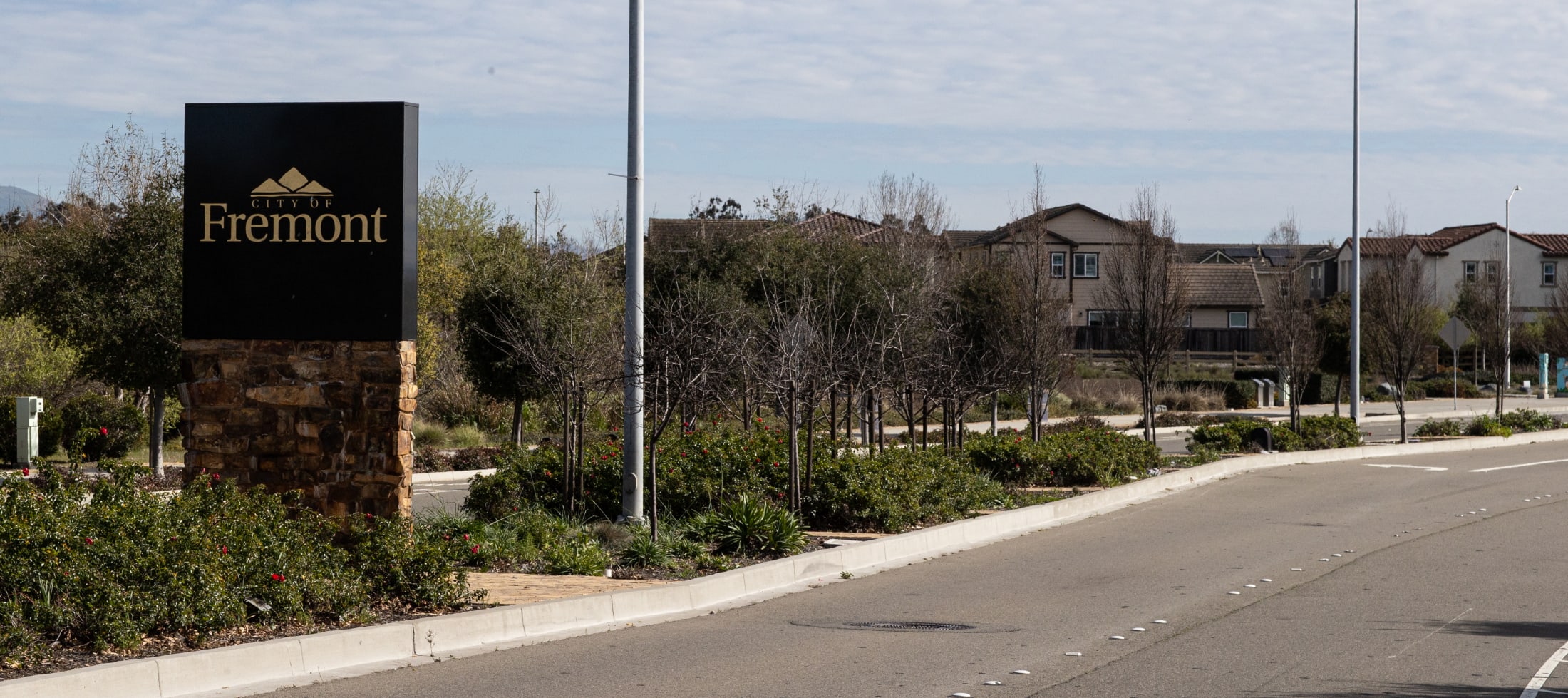
Fremont Estate Date of Death Appraisal
A Fremont date of death appraisal develops a retrospective residential value as of the decedent’s date of death using historical market evidence and property-specific research.
Bay Area Date of Death Appraiser › Fremont Date of Death Appraisal › Date of Death Appraisal
A date of death appraisal in Fremont is designed for a prior-date valuation problem: determining what residential real estate was worth when the owner died. The appraiser completes the report in the present, but the comparable selection, market analysis, and property reconstruction are directed to the historical effective date. Every date of death appraisal in Fremont CA should make it obvious which date controls the value and which date merely reflects when the report was completed.
A Fremont property may be inspected today even though the valuation applies to an earlier date. The appraiser should distinguish current observations from the condition and improvements that existed during the historical period. For date-of-death work, those characteristics help define which historical transactions were truly competitive with the subject.
A house can evolve substantially between the death date and the appraisal inspection. Condition can improve or decline; square footage or utility may change; an accessory unit may be added; a garage may be converted; or the site may be altered. Those changes have to be dated so the historical value reflects the property that buyers would actually have considered at the time. For a Fremont estate, documenting those changes can be the difference between valuing the earlier property and accidentally valuing today’s version.
The phrase fair market value on date of death describes the valuation target in many inheritance assignments. The appraiser’s role is to analyze what knowledgeable buyers and sellers would have recognized on that date. Tax treatment can depend on the estate’s circumstances, so legal and tax advisers remain responsible for deciding which federal or state reporting rules apply. The Fremont appraisal uses that date as the cutoff for market evidence, property condition, and buyer expectations.
The relevant market is not necessarily defined by a simple radius. Especially in segmented residential areas, buyers may cross a city boundary for one property type while ignoring a closer sale in a different neighborhood or project. Historical comparable selection therefore focuses on both timing and competition, with adjustments and reconciliation explaining the meaningful differences. That is particularly useful in Fremont, where a historically close sale may still belong to a materially different residential segment.
Current Fremont pricing cannot simply be applied backward. Comparable transactions and market conditions from the relevant period should be analyzed within the property's actual historical competitive market. When the historical sales pool is limited, these distinctions help the appraiser decide which compromises are acceptable and which sales are too different to rely upon.
Understanding IRS date of death appraisal requirements starts with knowing which question belongs to whom. The appraiser determines the retrospective value of the real estate. The executor, CPA, or attorney determines the return, election, and reporting obligations. IRS guidance generally ties inherited basis to date-of-death fair market value, and Form 706 Schedule A requires an explanation of real estate values plus copies of appraisals used. A Fremont date-of-death report should therefore be precise about the real estate value and restrained about tax conclusions outside appraisal practice.
A certified residential appraiser in Fremont CA can help turn a vague request for an old value into a defined retrospective assignment. The report identifies the date of death as the effective date, researches the relevant residential market, reconstructs material property changes, and supports the conclusion with market evidence rather than hindsight.
For many families, the report is prepared after the immediate estate work has already begun. Clear documentation matters because the value may be revisited later during a sale, distribution, tax return, audit, or file review. The appraisal should therefore preserve the evidence and reasoning that connect the final opinion to the historical date. For Fremont estate administration, that documentation helps keep the historical value separate from later transactions and later market conditions.
For probate, estate settlement, trust administration, IRS reporting, and stepped-up basis purposes in this area, see the main Fremont date of death appraisal page or the broader James Valdez appraisal service areas.
Date of Death Appraisal and retrospective appraisals for probate, estate settlement, trusts, stepped-up basis, and IRS reporting.