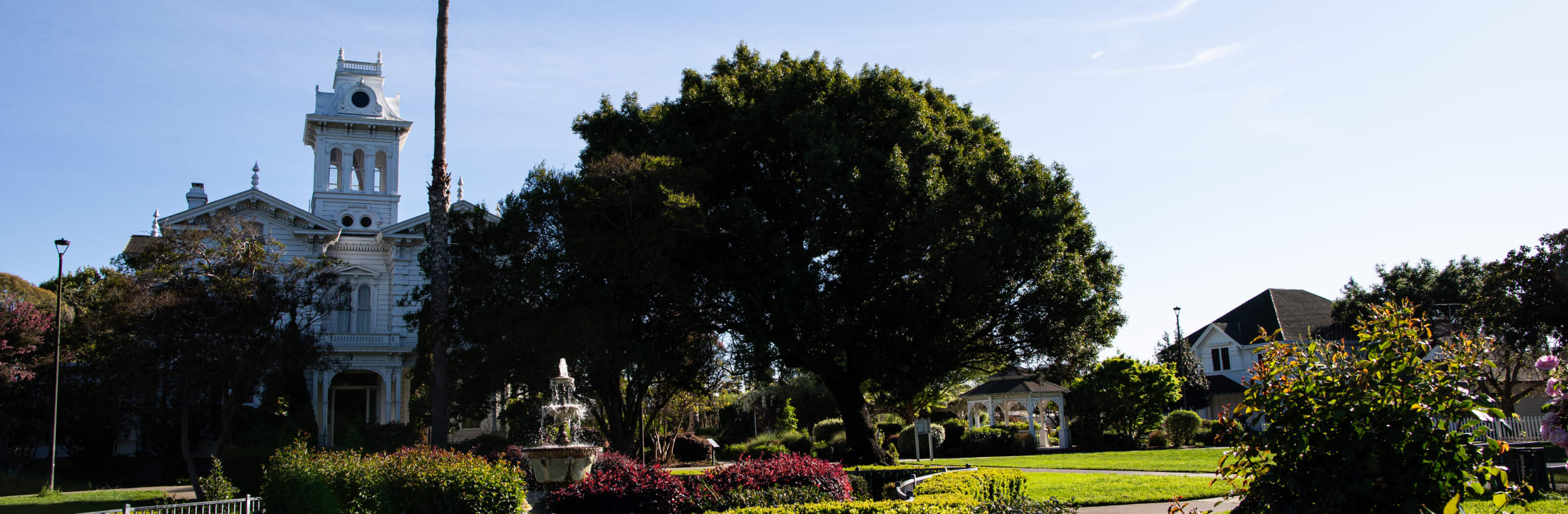
Date of Death Appraisal in South San Francisco, CA
A South San Francisco date of death appraisal develops a retrospective residential value as of the decedent’s date of death using historical market evidence and property-specific research.
Bay Area Date of Death Appraiser › South San Francisco Date of Death Appraisal › Date of Death Appraisal
When inherited real estate needs a historical value, a date of death appraisal in South San Francisco answers a very specific question: what was the residential property worth on the decedent’s date of death? The report may be completed months or years later, but the value conclusion is tied to that prior effective date rather than today’s market. For a date of death appraisal in South San Francisco CA, the appraiser is reconstructing a historical buyer-and-seller decision rather than predicting a present transaction.
South San Francisco includes older residential neighborhoods, hillside and view properties, condominium and townhouse projects, newer development, and areas influenced by biotechnology employment, BART, Caltrain, Highway 101, and industrial uses. A retrospective appraisal should test how those features affected buyer behavior during the valuation period rather than assuming their influence was identical to today.
The fair market value on date of death is often the figure an heir or estate needs to preserve in the file. Because that value may affect later gain calculations, it is important that the conclusion be connected to historical market data and a clearly stated effective date rather than a casual estimate prepared after the fact. That historical anchor prevents a later South San Francisco sale or refinance from becoming a substitute for the earlier valuation.
People searching for IRS date of death appraisal requirements are often trying to understand what level of valuation support should be kept with an estate file. IRS Form 706 Schedule A requires real estate values to be explained and copies of appraisals used on the return to be attached. Not every estate files Form 706, so the estate’s tax professional should determine the filing requirement while the appraisal provides the supported real-property value. That division keeps the South San Francisco appraisal independent from the legal and tax decisions surrounding the estate.
Comparable sale selection may require analysis of neighborhood identity, topography, views, condition, property type, employment-center influence, transit access, and industrial or freeway proximity. Those features help establish the subject’s historical market position and keep the analysis tied to realistic buyer alternatives.
A strong date-of-death analysis uses contemporaneous market evidence without treating the calendar as the only criterion. The appraiser reviews sales from the relevant period, but also tests whether each property was a realistic alternative to the subject. Older or slightly more distant transactions can sometimes be more informative than a closer sale from the wrong submarket. That approach keeps the South San Francisco analysis focused on realistic historical buyer alternatives.
A retrospective appraisal has to reconstruct the subject as well as the market. If the home was renovated after the owner died, those later improvements should not simply be valued as though they existed on the effective date. Prior listing photographs, permit history, tax records, old inspection material, contractor records, family photographs, and interviews can all help establish the earlier condition and configuration. In South San Francisco, the reconstruction helps prevent later work from being credited to a property that did not yet have it on the effective date.
If you need a certified residential appraiser in South San Francisco CA for inherited residential real estate, the assignment should be framed as a retrospective appraisal from the beginning. The effective date, intended use, property type, available historical records, and estate or tax purpose should be identified before the analysis so the report answers the actual valuation question rather than producing a generic current-value opinion.
The value conclusion is only as useful as the record supporting it. A date-of-death report should make the timeline understandable: when the owner died, what property characteristics applied, what market evidence was available, which sales were relied upon, and how the appraiser reconciled those indications into a final opinion. For the South San Francisco file, the report preserves the historical valuation logic in a form that advisers and beneficiaries can review later.
For probate, estate settlement, trust administration, IRS reporting, and stepped-up basis purposes in this area, see the main South San Francisco date of death appraisal page or the broader James Valdez appraisal service areas.
Date of Death Appraisal and retrospective appraisals for probate, estate settlement, trusts, stepped-up basis, and IRS reporting.