Need a Date of Death appraisal in Berkeley?
James Valdez specializes in date of death valuation in Berkeley, Alameda County.
- ✓ California Certified Residential Appraiser
- ✓ 20 years of appraisal experience
- ✓ 7,000+ completed residential appraisal assignments
Retrospective appraisals for probate, estate settlement, trust administration,
inherited property, stepped-up basis, and IRS reporting.
Berkeley Real Estate Appraiser for Estate, Probate, and Retrospective Valuation
A Date of Death appraisal in Berkeley—also called a retrospective or retroactive appraisal—
determines the fair market value of a property as of a specific past effective date, most commonly the date of death.
These assignments are commonly needed for estate appraisal, probate appraisal,
trust administration, tax reporting, and establishing the fair market value of inherited real estate.
As a Berkeley probate appraiser and estate appraiser, I prepare USPAP-compliant reports
supported by comparable sales research, paired sales analysis, and clear documentation.
Whether the assignment involves probate, estate settlement, or a step up basis appraisal,
the goal is to produce a well-supported opinion of value that reflects how the Berkeley market actually behaved at the time.
Date of Death (Retrospective / Retroactive) Appraisals
A Berkeley date of death appraisal requires more than simply selecting sales from the same zip code.
The appraiser must reconstruct the market as it existed on the effective date and analyze how buyers were reacting to
location, architecture, condition, zoning, utility, and other property-specific characteristics at that point in time.
For a more detailed explanation of how this type of analysis is performed, see
retrospective appraisal services in Berkeley.
These reports are commonly used for estate settlement, probate proceedings, trust administration, and IRS reporting.
They are prepared in compliance with USPAP standards and supported with market evidence and clear reasoning.
Why Berkeley Real Estate Is Different
Berkeley is one of the most distinct real estate markets in Alameda County.
Unlike more uniform suburban markets, Berkeley is filled with century-old homes, varied architecture,
mixed zoning patterns, and neighborhoods where no two properties are exactly alike.
In practice, Berkeley assignments tend to be some of the most bespoke in Alameda County,
because no two properties—or market reactions—are exactly the same.
Many Berkeley homes feature architectural styles such as Victorian, Queen Anne, Tudor, and Craftsman design.
These homes often have unique layouts, differing levels of updating, irregular sites, and features that make
direct model matches difficult or impossible. In Berkeley, true model matches are often rare, which makes
extracting contributory value more difficult than in more standardized markets.
Berkeley also includes hillside homes with bay views, flatland neighborhoods with blocked or limited street access,
older properties with grandfathered uses, and areas where multi-family improvements may exist within lower-density zoning.
As a result, a probate appraiser in Berkeley often has to perform a deeper level of analysis than would be required
in other parts of Alameda County.
Stepped-Up Basis and IRS Reporting
One of the most common reasons families request a Date of Death appraisal in Berkeley is to establish the
stepped-up tax basis of inherited real estate.
The stepped-up basis represents the fair market value of the property as of the date of death,
which becomes the new tax basis for heirs when the property is inherited.
Probate attorneys, CPAs, trustees, and estate representatives frequently request a
step up basis appraisal when determining the historical value of Berkeley property for estate and tax purposes.
Neighborhood Differences Within Berkeley
Berkeley is not a single, uniform market. Different parts of the city can appeal to very different buyer pools,
and those differences can materially affect value.
The Berkeley Hills often include homes with bay views, larger elevation changes, irregular sites,
long stair access, and highly individualized architecture. These properties can be particularly difficult to compare
because they often compete in a narrow market segment.
North Berkeley is known for its established neighborhoods and classic early 20th-century housing stock,
including many architecturally appealing homes. South Berkeley, especially nearer the Oakland border,
can sometimes resemble adjacent Oakland neighborhoods in housing style, while still being influenced by Berkeley jurisdiction.
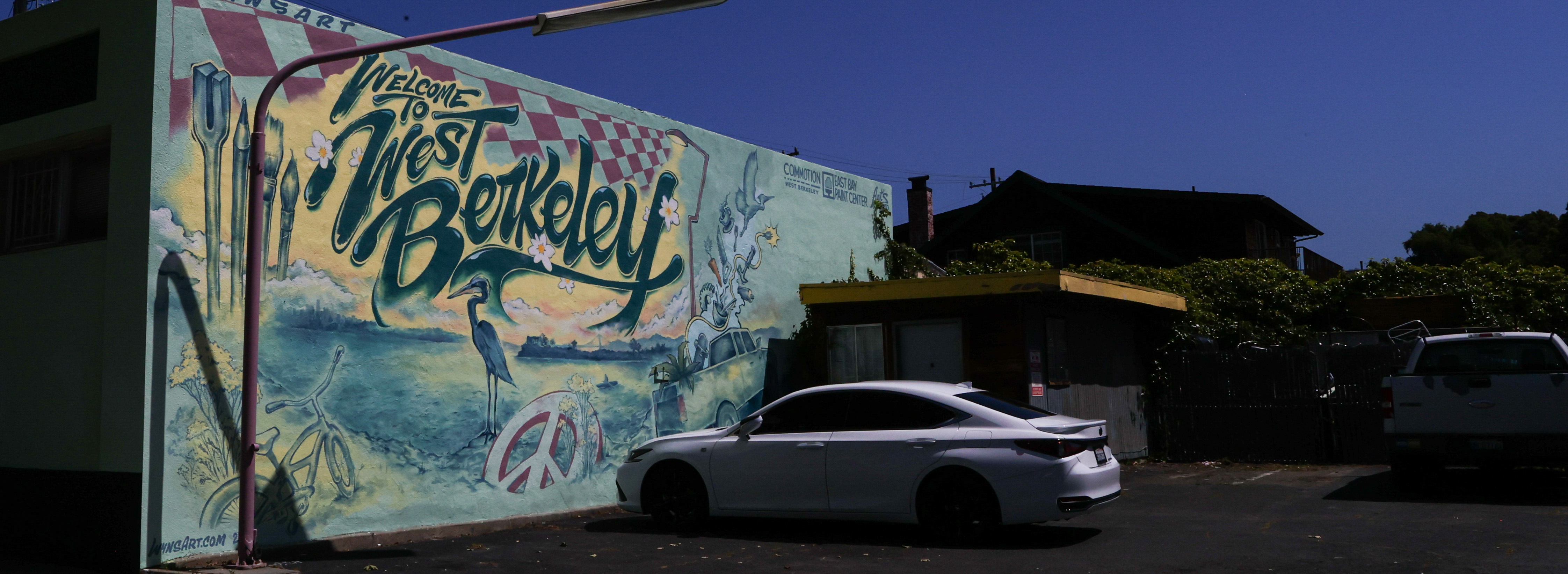
West Berkeley and the 4th Street area have their own micro-market characteristics,
with more industrial and mixed-use influences than much of the rest of the city.
In some assignments, more consistent housing patterns in Southwest Berkeley may help extract market reactions that can then
be analyzed alongside more unique hillside properties. In a city like Berkeley, this kind of broader paired sales thinking
is often necessary when direct comparables are limited.
Rent Control and Multi-Family Property Considerations
Berkeley also stands apart because of its rent control environment. Multi-family properties that are occupied do not always
sell as quickly or as high as similar vacant properties, particularly where tenant restrictions affect income potential,
control, or future flexibility.
This can be especially important in a probate appraisal in Berkeley or estate appraisal
involving duplexes, triplexes, fourplexes, or other income-producing property. Understanding how rent control influenced
buyer behavior at the effective date can be a necessary part of developing a credible retrospective valuation.
My Approach to Date of Death Appraisals
My appraisal process emphasizes paired sales analysis and detailed market research. Rather than relying solely on broad adjustments,
I analyze how specific property characteristics actually affected sale prices in the market at the time of the effective date.
Berkeley often requires especially careful analysis because condition does not always influence value in the same way it does in
other Alameda County markets. In some cases, buyers may place stronger emphasis on architecture, location, character, or setting
than on the degree of updating alone. That is why each Berkeley assignment requires a tailored analysis based on how the market
was reacting to those particular characteristics at the time.
This allows the appraisal to be supported by observable market behavior rather than assumptions. The result is a report that is
well documented and capable of standing up to review by attorneys, CPAs, courts, or the IRS.
An Example From a Berkeley Assignment
Berkeley includes many situations where two homes that appear somewhat similar on paper can compete in very different market segments.
A home in the hills with bay views, steep access, and unique architecture may attract a very different buyer than a flatter property
in another part of the city, even if the gross living area is similar.
In other situations, two homes may differ significantly in remodeling or condition, yet the market reaction may be narrower than expected
when compared to other Alameda County cities. Berkeley buyers often respond strongly to character, location, and overall appeal,
which can compress condition differences in ways that require careful analysis.
When performing a retrospective appraisal, it is important to determine how buyers were reacting to those differences at the time of the
effective date. Paired sales analysis and comparable sales research help determine whether the market was recognizing differences related to
views, access, architecture, zoning, tenant occupancy, or other neighborhood influences.
Understanding those market reactions helps produce a credible opinion of value that reflects how the Berkeley market actually behaved
during the relevant time period.
- ✔️ USPAP-compliant reports prepared for IRS and estate documentation
- ✔️ 48-hour turnaround available for many assignments
- ✔️ Flat-rate pricing with no hidden fees
- ✔️ Experience working with attorneys, CPAs, heirs, and estate representatives
Who Typically Needs a Date of Death Appraisal?
In Berkeley, Date of Death appraisals are commonly needed by heirs, trustees, executors, probate attorneys, and CPAs when a property owner
has passed away and the value of the real estate must be established as of the date of death.
A properly researched date of death appraisal in Berkeley helps support estate settlement, tax reporting, and probate proceedings
by providing a well-supported opinion of value based on market evidence from the relevant time period.
For a broader explanation of how Date of Death appraisals work—and when they are used for probate,
estate settlement, trust administration, and stepped-up basis reporting—see my
Date of Death appraisal overview.
Berkeley Appraisal Services
Related Date of Death, estate, probate, and retrospective appraisal pages for Berkeley:
Service Areas
I cover properties throughout Berkeley, including the Berkeley Hills, North Berkeley, South Berkeley, West Berkeley, the 4th Street area,
and nearby neighborhoods throughout the city.
In addition to Berkeley, I regularly provide Date of Death, probate, and estate appraisal services in nearby East Bay communities including
Oakland,
Albany,
Richmond,
Kensington, and
Orinda,
You can view all service areas here:
Bay Area Date of Death Appraiser.
If you are searching for a Date of Death appraisal in Alameda County, CA, you can also view the full
Alameda County retrospective appraisal page for additional information regarding estate, probate, and retrospective valuation services throughout Alameda County and the greater Bay Area.